Description
Conjunto music is one of Texas’ most powerful cultural expressions—born from migration, working‑class life, and creative exchange. Shaped by German and Eastern European dance music and transformed by Tejano communities drawing on Indigenous, Spanish, and Mexican traditions, conjunto emerged as a sound that is unmistakably Texan. This exhibition traces conjunto’s layered musical heritage and celebrates San Antonio and South Texas as its heart—where neighborhood clubs, family record labels, school programs, festivals, and backyard gatherings have sustained the tradition while continually reimagining it for new generations.
News 4 WOAI - Puro Conjunto exhibit now open at Institute of Texan Cultures - June 12, 2026
This exhibit is generously supported by the Summerlee Foundation.
Image

Related Posts
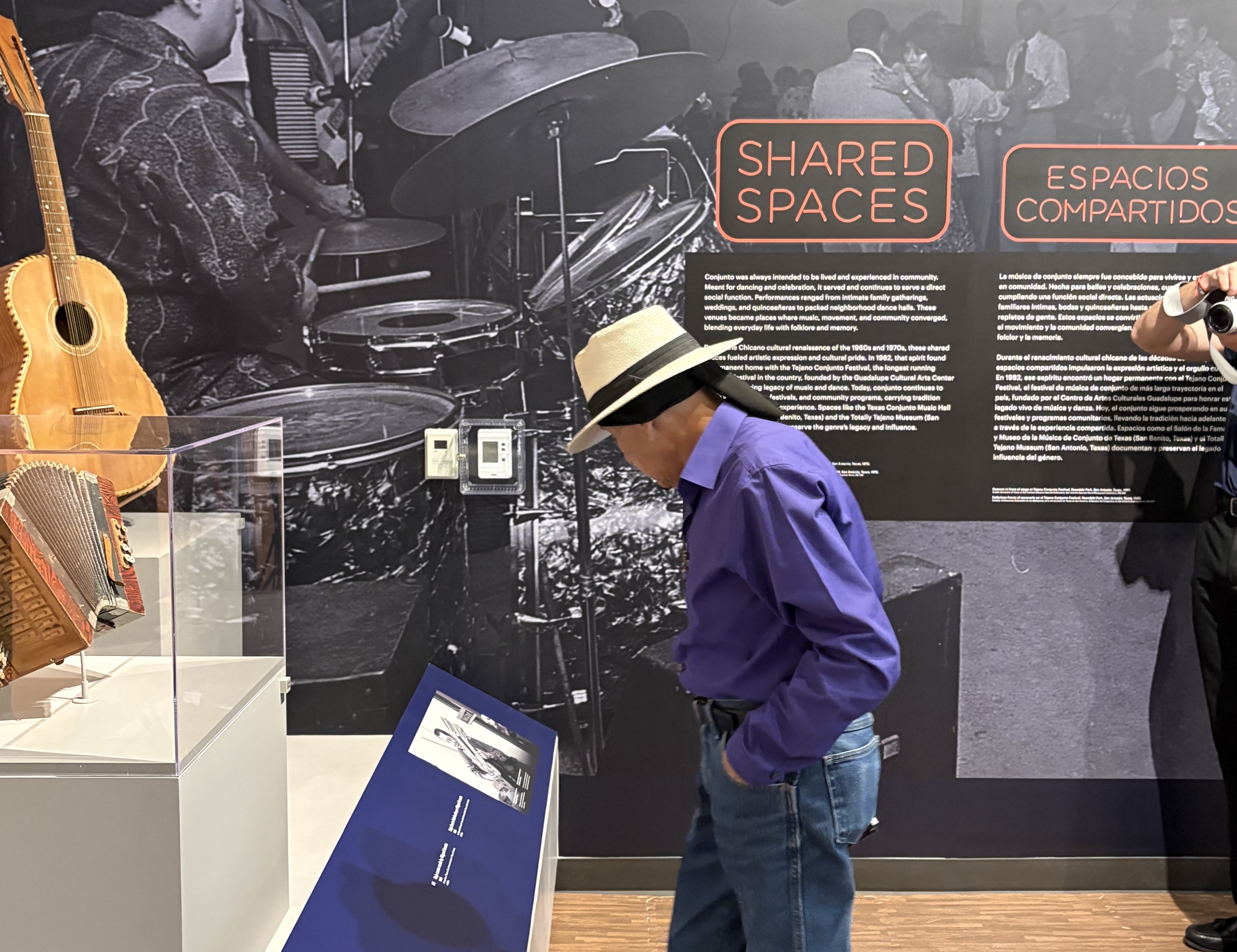
Beyond the Music
Generations of San Antonians have handed down a story about a man at a pachanga who amazed guests with his dancing. Ladies lined up to be his partner…
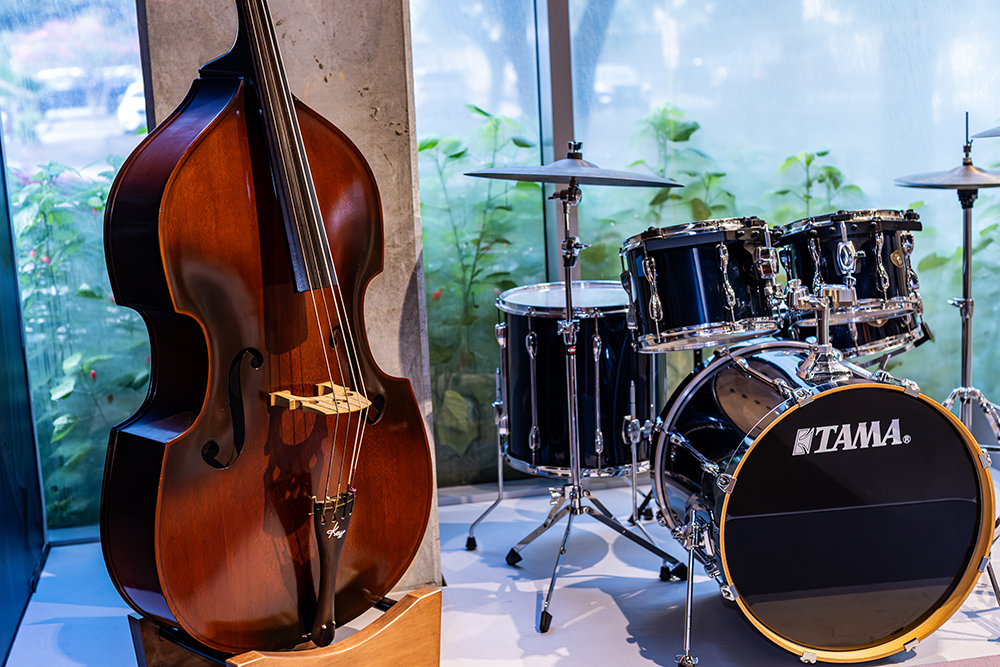
Texas Treasures
Every artifact displayed in a museum represents trust and confidence. These items are more than historical objects; they are vessels of memory,…
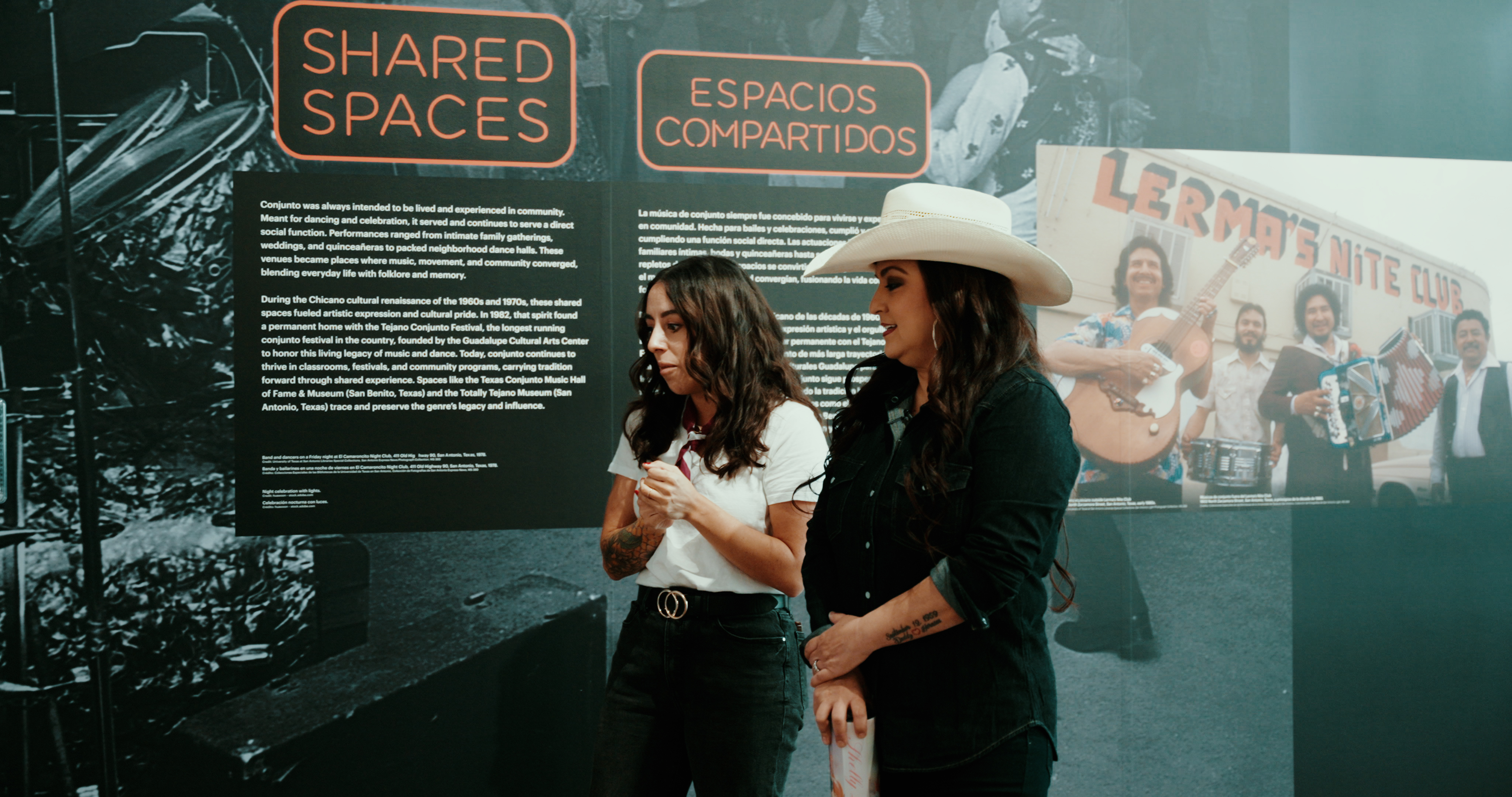
How does Conjunto Sound Today?
ITC sits down with a 40-year veteran of the Texas music scene. Shelly Lares, a.k.a. “Little Miss Dynamite,” began performing professionally at age 10…

"Puro Conjunto" Opening Reception
Friends of the UT San Antonio Institute of Texan Cultures gathered at the museum the evening of June 10 to inaugurate the new exhibit, "Puro…

Strings of Tradition: Exploring Conjunto’s Fiddle
Join the experts from the Texas Conjunto Music Hall of Fame and Museum for a lively conversation at the UT San Antonio Institute of Texan Cultures…